Myanmar voices confidence at UN debate that upcoming elections will be orderly
September 29, 2010
ARAKANLAND

Foreign Minister Nyan Win of Myanmar addresses General Assembly
28 September 2010 - Myanmar is confident that upcoming elections, the first to be staged in the country in two decades, will be orderly and successful, the nation's Foreign Minister told the General Assembly today.
Nyan Win told the Assembly's annual general debate that the country can draw from "its ample experiences and lessons learned in holding multi-party general elections in the past" to stage the ballot on 7 November.
"Whatever the challenges facing us, we are committed to do our best for the successful holding of the free and fair general elections for the best interest of the country and its people," he said.
Mr. Win described his country as being at "the critical phase of its political transformation process," with the polls serving as the fifth step in the Government-designed political roadmap.
He said 37 political parties, including some representing different ethnic groups, will take part in the elections, with more than 3,000 candidates contesting 1,171 seats spread across the Peoples' Parliament, the National Parliament and state or regional parliaments.
"Such a large participation made it crystal clear that the elections become virtually inclusive. Political parties have already started their campaign activities. The people will exercise their democratic right to elect the representatives of their own choice who can serve their interest better."
The Foreign Minister addressed the Assembly a day after the Group of Friends on Myanmar met at United Nations Headquarters in New York to discuss ways to help the country's people and Government transition to a credible civilian and democratic government.
The Group of Friends stressed that the November elections must be as inclusive, participatory and transparent as possible, and they called on authorities to take steps to release all political detainees, including the prominent opposition figure and Nobel Peace Prize laureate Aung San Suu Kyi.
"This is essential for the elections to be seen as credible and to contribute to Myanmar's stability and development," Secretary-General Ban Ki-moon told journalists after the meeting.
"At this critical stage in Myanmar's transition, it is all the more important that the Group, and especially Myanmar's neighbours, encourages Myanmar to engage meaningfully with my good offices. The Group encourages the Government of Myanmar to adopt a more constructive and forward-looking approach in its response to the international community's call for engagement."
Formed in 2007, the Group of more than a dozen nations and regional blocs is designed to serve as a consultative forum for developing a shared approach in support of the Secretary-General's good offices mandate on Myanmar.
News Tracker: past stories on this issue
Myanmar faces critical phase as elections loom, UN chief says
Source: UN News Service
Posted at: 02:48 PM | 0 Comments | Add Comment | Permalink
 |
|  |
|  del.icio.us
Myanmar faces critical phase as elections loom, UN chief says
September 28, 2010
ARAKANLAND

Secretary-General Ban Ki-moon convenes a meeting of the Group of Friends on Myanmar
27 September 2010 - The coming months will be critical for Myanmar as it prepares to stage the first national elections in two decades, Secretary-General Ban Ki-moon said today, calling on the country's authorities to make sure the polls are as inclusive, participatory and transparent as possible.
Speaking after a high-level meeting of the Group of Friends on Myanmar, Mr. Ban said participants "expressed their encouragement, concerns and expectations regarding the current process," which are supposed to culminate in elections on 7 November.
Participants at the New York meeting, held at the level of foreign minister, discussed ways to intensify joint efforts to help Myanmar's Government and people "achieve a successful transition towards a credible civilian and democratic government," Mr. Ban told journalists.
The Group of Friends also called on authorities to take steps to release all political prisoners, including the opposition leader and Nobel Peace Prize laureate Aung San Suu Kyi.
"This is essential for the elections to be seen as credible and to contribute to Myanmar's stability and development," the Secretary-General said.
"At this critical stage in Myanmar's transition, it is all the more important that the Group, and especially Myanmar's neighbours, encourages Myanmar to engage meaningfully with my good offices. The Group encourages the Government of Myanmar to adopt a more constructive and forward-looking approach in its response to the international community's call for engagement."
The Group of Friends today reiterated their commitment to work together to help Myanmar tackle its political, humanitarian and development challenges, and to encourage the country to make further steps towards national reconciliation and democracy.
Formed in 2007, the Group of more than a dozen nations and regional blocs is designed to serve as a consultative forum for developing a shared approach in support of the Secretary-General's good offices mandate on Myanmar.
In response to questions, Mr. Ban said he would continue his dialogue with Myanmar's authorities in the coming weeks, including at a meeting next month of the Association of Southeast Asian Nations (ASEAN) in Hanoi, Viet Nam.
He said he had already conveyed his strong wish to Myanmar that the upcoming elections be fair, transparent and inclusive and that all political detainees - including Ms. Suu Kyi - are released.
News Tracker: past stories on this issue
Myanmar: Ban calls for regional support in seeking democratic transition
Source: UN News Service
Posted at: 09:30 AM | 0 Comments | Add Comment | Permalink
| | del.icio.us
More nations sign on to UN-backed initiative to end use of child soldiers
September 28, 2010
ARAKANLAND

Special Representative of the Secretary-General on Children and Armed Conflict Radhika Coomaraswamy
28 September 2010 - Eleven new countries have added their names to a growing United Nations-backed list of States that have pledged to halt child recruitment, support the release of children from armed groups and help reintegrate them into civilian life.
Cape Verde, Gabon, Georgia, Iceland, Latvia, New Zealand, the Republic of Korea, Saudi Arabia, Serbia, Togo and Uruguay yesterday endorsed the Paris Commitments on Children Associated with Armed Forces or Armed Groups, raising the number of supporting countries from 84 to 95.
"The use of children in armed conflict is not only morally reprehensible, but it is a war crime," said Radhika Coomaraswamy, Special Representative of the Secretary General on Children and Armed Conflict.
"To protect the children of today and tomorrow, we must work collectively to ensure that armed forces and rebel groups cannot continue to get away with this egregious violation," she added.
Thousands of children continue to be recruited by both government forces and armed rebel groups in situations of armed conflict and insecurity, despite global efforts to combat the scourge.
The Paris Commitments, a voluntary initiative adopted in 2007, are accompanied by the Paris Principles - operational guidelines designed to help children successfully reintegrate into their communities.
"The Paris Principles reaffirm our collective commitment to protect the most fundamental right of a child: To be a child," said Anthony Lake, Executive Director of the UN Children's Fund (UNICEF).
"If we do not succeed in reintegrating these children into their communities and supporting them once they return, we cannot hope to break the cycle of violence."
The 11 countries voiced their support for the initiative during the third Ministerial Follow-up Forum to the Paris Commitments, which was held at UN Headquarters on Monday on the margins of the annual high-level general debate of the General Assembly.
The event, organized by UNICEF, the Office of the Special Representative of the Secretary-General for Children and Armed Conflict and France, was designed to assess the implementation of the Paris Commitments and the Paris Principles, to review the status of Member States' endorsements and encourage new countries to sign on.
It also sought to examine the need for additional funds to support proven prevention and reintegration programmes, as well as to monitor compliance by parties to armed conflict.
News Tracker: past stories on this issue
UN envoy hails ‘landmark' day as more nations ban use of child soldiers
Source: UN News Service
Posted at: 09:25 AM | 0 Comments | Add Comment | Permalink
| | del.icio.us
Japan becomes first-ever Asian nation to resettle refugees – UN
September 28, 2010
ARAKANLAND

A first group of refugees from Myanmar arriving under Japan's landmark resettlement programme
28 September 2010 - Flashing cameras and well-wishers' applause greeted 18 refugees when they touched down today in Tokyo, where they will begin new lives as part of Asia's first-ever resettlement programme, the United Nations High Commissioner for Refugees (UNHCR) reported.
"I am very happy to have arrived in Japan," said one of the women refugees, looking a bit overwhelmed by the attention of the television crews capturing her arrival, before boarding a bus to a reception centre where the group will spend a week acclimatizing to the country's capital.
The refugees - three married couples and their 12 children, ranging in age between one and 15 - are farmers of the Karen ethnicity who have been living in Mae La camp in northern Thailand since fleeing Myanmar. Nearly all of the children in the group were born as refugees in Thailand.
They arrived in Japan after a six-hour flight as part of a pilot programme that will see Japan accept 90 Myanmar refugees over three years, making it the first country in Asia to resettle refugees.
Two other families were also set to join Nay Min and the others in coming to Tokyo today, but had to stay in Bangkok at the last minute because they caught the flu. They are expected to travel as soon as they get well.
The scheme has attracted huge media interest in Japan. Both on departure from Bangkok and on arrival at Narita Airport, the refugees were outnumbered by Japanese journalists.
"This marks a new chapter in Japan's strengthening of its refugee and asylum policies," said Johan Cels, UNHCR's Representative in the country.
Japan, the agency's second-largest donor, not only provides "generous financial support for refugees in many parts of the world, but now also provides a future for refugees in the country," he added, voicing hope that other Asian nations will follow Japan's example.
Nay Min, the oldest male refugee in the group at 45, said he has always been a farmer because that is what the Karen people traditionally do. "But after I arrive in Japan, if they will find me any type of job, I will do it if they can train me," he said before departing Bangkok.
He said there were a few sleepless nights for his family due to excitement and happiness at the chance for a fresh start in a new country.
"For 18 years we were struggling," he said. "We got rations from the camp and we had to follow the rules of the camp."
Approximately 20,000 Myanmar refugees have already left Mae La to begin new lives, forming part of the more than 55,000 refugees who have been resettled from the nine camps in Thailand since a large-scale programme started in 2005. Most have departed for the United States, Australia and Canada.
While in the camp, the refugees selected to be resettled in Japan took lessons in Japanese culture and language. In Tokyo, they will be given apartments, more language classes, help in adapting to the culture, vocational training and job support.
Before they left Mae La, many of the children had hoped to become doctors and teachers, and Nay Min said his biggest hope for his new life in Japan was a good education for his three children.
For himself, he said that respect for his family's human rights was paramount. "I want to visit countries all over the world once I get a passport from Japan," he said, as he stepped on his first of hopefully many more flights.
News Tracker: past stories on this issue
Japan takes first steps to resettle refugees from Myanmar, UN reports
Source: UN News Service
Posted at: 09:19 AM | 0 Comments | Add Comment | Permalink
| | del.icio.us
WAO.USA 8th Teleconference
September 26, 2010

WAO-USA- 8th Teleconference of WAO-USA Executive Committee Members successfully held on Saturday, Sept18, 2010 accordance with prearrangement of Program and schedule. There was 8 attendees participated in the meeting and it was taken by almost 2 hours.
Ko Zaw Zaw Tun, who is served Joint Secretary of WAO-USA, undertook as master of ceremony and he announced the meeting agenda.
1. Keep saving of WAO.USA donation money for emergency disaster in Thahaya Athyn (YGN)
2. WAO.USA 6th anniversary, Place and sponsored by
3. Approval of WAO.USA new bylaw
U U Sein Tun, President of WAO-USA delivered the opening speeches in the teleconference and reported the keep saving of donation money (US$2650) in Rakhine Thahaya Athyn (YGN) for emergency natural disaster.
One of guest Ko Kyaw Soe Lunn participated to be hold on WAO.USA 5th Anniversary in New York upstate Utica, coming October last week or November first week in 2010.Because, Arakanese people want to participate WAO.USA ,they all are living in upstate of New York . After that all of attendees are agreed that for temporary.
Ko Zaw Zaw Tun, who is served Joint Secretary of WAO-USA, re- requested to decide WAO.USA new bylaw. He already reported paper document and PDF version of online document in last 4th WAO.USA anniversary in New York 2009. Attendees are agreed that to make decision in 5th WAO.USA anniversary.
Dr. Aye Kyaw who is Patron of WAO-USA delivered the closing speeches in the teleconference.
Source: WAO-USA
Last Updated on Monday, 20 September 2010 22:53
Posted at: 02:21 PM | 0 Comments | Add Comment | Permalink
| | del.icio.us
Myanmar: Ban calls for regional support in seeking democratic transition
September 26, 2010
ARAKANLAND

24 September 2010 - Secretary-General Ban Ki-moon today assured South-East Asian nations of his commitment to seeking a successful transition to civilian and democratic rule in Myanmar.
"I also count on your support in encouraging Myanmar's engagement with my good offices," he told annual gathering at UN Headquarters of foreign ministers of the Association of Southeast Asian Nations (ASEAN).
"The UN and ASEAN share the aim of stability and development in Myanmar. We agree on the critical need for a democratic transition and national reconciliation, and for ensuring free, fair and inclusive elections.
"Failure to meet these expectations could undermine the credibility of the process - which, in turn, could reflect on ASEAN's collective values and principles. At the same time, we must also help Myanmar, so that they can address these humanitarian and development challenges."
Last week Mr. Ban voiced concern at the decision by Myanmar's Election Commission to dissolve 10 political parties, including the National League for Democracy (NLD) and called on the authorities to ensure that November's elections are fully inclusive.
In August he called on the authorities to release all remaining political prisoners so that they could fully participate in Myanmar's political life in the polls - the country's first in 20 years - which are due to be held on 7 November.
Apart from Myanmar, Mr. Ban addressed four other issues with the ministers, beginning with the anti-poverty Millennium Development Goals (MDGs), noting that ASEAN members have been among the most successful in meeting the targets on poverty, child health and education, but that there are wide disparities between and within countries, with progress on child mortality being particularly slow.
Secondly, he commended ASEAN for establishing commissions on human rights and the promotion of the rights of women and children, adding that the UN stands ready to assist the association in strengthening its regional human rights mechanisms.
Thirdly, he called for more effective cooperation on peace and security by working together in concrete areas such as conflict prevention and peacekeeping. Finally he lauded the Secretariat-to-Secretariat cooperation and partnership between the two organizations, citing the joint work on humanitarian relief after Cyclone Nargis devastated Myanmar in 2008 as "a great success and an excellent example."
ASEAN holds the meeting each year in conjunction with the opening of the General Assembly's main session.
News Tracker: past stories on this issue
Ban concerned at exclusion of 10 political parties from Myanmar's elections
Source: UN News Service
Posted at: 10:27 AM | 0 Comments | Add Comment | Permalink
| | del.icio.us
Asia-Pacific region at UN forum calls for better protection of migrants
September 24, 2010
ARAKANLAND
 24 September 2010 - A United Nations meeting of Asia-Pacific countries today called for better legal protection of migrants, especially the millions who are undocumented migrants and often victims of human trafficking.
Migrant workers are development actors and contribute to development by way of remittances, skills, culture and labour to States of origin, transit and destination, said a statement issued at the end of a three-day meeting in Bangkok of representatives from 31 governments in the region.
The Asia-Pacific Regional Preparatory Meeting for the Global Forum on Migration and Development 2010 was organized by the UN Asia-Pacific Regional Thematic Working Group on International Migration including Human Trafficking, which is co-chaired by the UN Economic and Social Commission for Asia and the Pacific (ESCAP) and the International Organization for Migration (IOM), with participation from other UN agencies and UN-affiliated organizations.
About one in four of the world's estimated 214 million migrants live in the Asia-Pacific region, which receives about 42 per cent of global remittances. ESCAP noted that international migration is increasingly being recognized as a powerful force for development as migrants contribute to the social, cultural and economic development of both countries of origin and destination.
The meeting recommended that national laws be reviewed to ensure that all migrants, including domestic workers, women and children have access to legal protection, birth registration, and health and education services in both countries of origin and destination.
"As we continue our work at the national, regional and international levels, let us not forget that migrants are human beings, not mere export commodities, sources of remittances or agents of development," Working Group Co-Chairs Nanda Krairiksh and Andrew Bruce said in a joint closing statement.
"Besides their important role in a country's economy, it is imperative that migrants and their families receive the support and attention they require given their vulnerable status, in both countries of origin and destination."
Delivering a keynote statement, Ton-Nu-Thi Ninh, Former Vice-Chair of the Foreign Affairs Committee of Viet Nam's National Assembly, stressed that the most vulnerable groups are irregular and undocumented migrants, who account for one quarter of migrant workers in or from Asia and are often victims of human trafficking.
The meeting's Bangkok Statement will be presented as Asia-Pacific's contribution to the Global Forum on Migration and Development to be held in November in Puerto Vallarta, Mexico.
News Tracker: past stories on this issue
Era of increased mobility requires better protection of migrants' rights, says Ban
Source: UN Newsservice
Posted at: 02:26 PM | 0 Comments | Add Comment | Permalink
| | del.icio.us
Ban urges world leaders to invest in global project to overcome poverty
September 20, 2010
ARAKANLAND

Secretary-General Ban Ki-moon addresses UN summit on the MDGs
20 September 2010 - As scores of heads of State and government attend today's opening of a three-day summit at United Nations Headquarters in New York on the Millennium Development Goals (MDGs), Secretary-General Ban Ki-moon urged them to provide the necessary investment, aid and political will to end extreme poverty.
"There is no global project more worthwhile," Mr. Ban said. "Let us send a strong message of hope. Let us keep the promise."
The high-level meeting of the General Assembly is being held to take stock of the progress so far towards the MDGs - which include slashing poverty, combating disease, fighting hunger, protecting the environment and boosting education - and to determine what else needs to be done to reach the Goals by their target date of 2015.
"Real results" have been made since the MDGs were devised in 2000, Mr. Ban noted, including a dramatic increase in school enrolment rates, expanded access to clean water and greater control of diseases.
"We have more development success stories than ever before. The transformative impact of the MDGs is undeniable. This is an achievement we can proud of. But we must protect these advances, many of which are still fragile. And the clock is ticking, with much more to do."
Mr. Ban urged world leaders to "stay true" to ensure that the Goals are met on time.
"True to our identity as an international community built on a foundation of solidarity. True to your commitment to end the dehumanizing conditions of extreme poverty."
He called on wealthy countries not to pull back from their previous commitments on official development assistance to poorer nations, which he described as "a lifeline of billions, for billions."
He also stressed that "being true means addressing inequality, both among and within countries. Even in countries that have registered impressive gains, inequality eats away at social cohesion.
"And it means reconsidering conventional wisdom. Recovery from the economic crisis should not mean a return to the flawed and unjust path that got us into trouble in the first place."
The Secretary-General said one of the keys to success was "making the smart investments in infrastructure, small farmers, social services... and above all in women and girls."
On Wednesday he is expected to unveil a global strategy for improving women's and children's health, with study after study indicating that a boost in this area will have an enormous multiplier effect across all the MDGs.
"There is more to do for the mother who watches her children go to bed hungry - a scandal played out a billion times each and every night. There is more to do for the young girl weighed down with wood or water when instead she should be in school. And more to do for the worker far from home in a city slum, watching jobs and remittances disappear amid global recession."
News Tracker: past stories on this issue
Anti-poverty goals are ambitious but doable, Ban stresses ahead of MDG summit
Source: UN News Service
Posted at: 02:22 PM | 0 Comments | Add Comment | Permalink
| | del.icio.us
World leaders gather at UN to push for progress against poverty, hunger and disease
September 20, 2010
ARAKANLAND

20 September 2010 - World leaders are converging on United Nations Headquarters in New York today for the start of a three-day summit to measure progress towards the Millennium Development Goals (MDGs).
With just five years to go before the deadline for achieving the MDGs, the leaders will discuss how and where they can do more in the remaining period to defeat poverty, reduce hunger, stop environmental degradation, improve education, boost maternal and child health and reach the other remaining targets.
"Ten years have passed since the adoption of the Millennium Declaration and the historical commitment to cut extreme poverty by half through the implementation of eight measurable and time-bound goals: the Millennium Development Goals," Secretary-General Ban Ki-moon wrote in a report earlier this year. "This vision and those measures remain relevant today."
More to follow...
News Tracker: past stories on this issue
Anti-poverty goals are ambitious but doable, Ban stresses ahead of MDG summit
Source: UN News Service
Posted at: 06:21 AM | 0 Comments | Add Comment | Permalink
| | del.icio.us
UN official calls for stepped-up measures to deal with biological and chemical threats
September 20, 2010
ARAKANLAND

A field response team takes part in an IAEA training exercise about a nuclear accident
20 September 2010 - While United Nations Member States have a well-developed system established for preventing or responding to potential nuclear or radiological emergencies, similar measures are not in place for chemical and biological attacks and disasters, a senior UN anti-terrorism official has warned.
Geoffrey Shaw, the chair of the UN Working Group on Preventing and Responding to Weapons of Mass Destruction Attacks, said it was time for countries to examine ways to ensure that the international community can respond quickly and effectively in the event of a major incident involving chemical or biological weapons or materials.
He told the UN News Centre that a review by the world body's Counter-Terrorism Implementation Task Force (CTITF) released last week indicated that a strong system existed to deal with radiation or nuclear emergencies.
That system is implemented through the IAEA. Countries have given the IAEA a central coordinating role for any response and inter-agency mechanisms are in place to alert all the necessary segments of the UN which can assist with any response.
But many Member States and civil society organizations lack awareness about the system, the report found, and it made several recommendations to enhance understanding, including strengthening the IAEA's role as the global focal point in public information coordination in the wake of an emergency.
Dr. Shaw said many of the measures to deal with nuclear or radiological attacks had been created following the accident at the Chernobyl reactor in April 1986.
A database monitors the illicit trafficking of nuclear materials and lines of communication exist between agencies and between countries to allow rapid responses.
"Chernobyl had everyone's minds focused," Dr. Shaw said. "Effective communication was seen as far more important."
The official said one of the reasons for the slower development of measures to protect against chemical or biological attacks was that the Organisation for the Prohibition of Chemical Weapons (OPCW) - which verifies that countries are adhering to the Chemical Weapons Convention - only came into effect in 1997.
No similar mechanism exists yet for dealing with biological weapons and materials.
"If there was a biological attack by terrorists, what would be expected of the UN system? These are the kinds of questions we need to answer to ensure we can respond if needed."
Dr. Shaw said the "phenomenal expansion" of the biotechnology industry in recent years posed difficult questions for policy-makers.
"There's a hell of a lot of material out there - how do you protect that? You could try to establish verification protocols... but it could be impossible to verify. There are lots of questions that have to be looked at."
News Tracker: past stories on this issue
General Assembly stresses global cooperation and dialogue to combat terrorism
Source: UN News Service
Posted at: 06:18 AM | 0 Comments | Add Comment | Permalink
| | del.icio.us
Ban concerned at exclusion of 10 political parties from Myanmar’s elections
September 19, 2010
ARAKANLAND

Aung San Suu Kyi
15 September 2010 - Voicing concern over the decision by Myanmar's Election Commission to dissolve 10 political parties, including the National League for Democracy (NLD), Secretary-General Ban Ki-moon today called on the country's authorities to ensure that November's elections are fully inclusive.
Last month Mr. Ban called on the authorities to release all remaining political prisoners so that they could fully participate in Myanmar's political life in the polls - the country's first in 20 years - which are due to be held on 7 November.
He has repeatedly called for the release of all political prisoners, including Daw Aung San Suu Kyi, a pro-democracy leader, Nobel Peace Prize laureate and head of the NLD, who has been under house arrest for much of the past two decades, and was sentenced last August to an additional 18 months of house arrest.
Spokesperson Martin Nesirky told reporters today Mr. Ban "notes with some concern" the decision by the Union Election Commission to dissolve 10 political parties, including the NLD and four others for failing to renew their registration.
"The Secretary-General once again urges the Myanmar authorities to ensure conditions conducive for a fully inclusive and participatory electoral process," he said, adding that a ministerial-level meeting of the Group of Friends of Myanmar, consisting of more than a dozen nations and one regional bloc in support of greater dialogue in the country, is expected to be held in New York on 27 September.
Asked about the role of the UN's good offices, Mr. Nesirky said that work continued, and he recalled that Mr. Ban had expressed his frustration concerning access to the Myanmar authorities.
News Tracker: past stories on this issue
Upcoming polls must be inclusive, free and fair, Ban tells Myanmar's authorities
Source: UN News Service
Posted at: 01:05 AM | 0 Comments | Add Comment | Permalink
| | del.icio.us
Anti-poverty goals are ambitious but doable, Ban stresses ahead of MDG summit
September 13, 2010
ARAKANLAND

Secretary-General Ban Ki-moon briefs press on the upcoming 65th GA meeting and the 2010 Summit on the MDGs
13 September 2010 - The Millennium Development Goals (MDGs) are formidable and ambitious but still achievable, Secretary-General Ban Ki-moon said today as he urged the world's leaders to direct their countries' resources to the areas where they are needed most in the fight against poverty, hunger and disease.
In a call to action a week before nearly 140 heads of State and government are expected to gather at United Nations Headquarters in New York for a summit measuring progress on the MDGs, Mr. Ban told journalists that it is clear that the targets can be achieved by their 2015 deadline with the right amount of will and effort.
"The MDGs are difficult and ambitious, but doable," he said. "Many poor countries have made enormous progress. The world as a whole is on track to reduce poverty by half by 2015 - a tremendous achievement."
But Mr. Ban acknowledged that many countries, especially in sub-Saharan Africa, are falling short of the targets.
"Inequities are growing within and among countries. Too often, global economic management neglects the poor and vulnerable. And the money we need - even though it is modest - is not yet there, a problem compounded by the economic crisis. Our challenge is to put our resources where they will have the greatest impact: education, jobs, health, smallholder agriculture, infrastructure and green energy."
The three-day summit on the MDGs, convened by the General Assembly, kicks off in New York next Monday and is expected to attract not only heads of State and governments but dozens of representatives from civil society groups, foundations and the private sector.
Mr. Ban said today that he would use the summit to launch a global strategy for women's and children's health, one of the target areas in the MDGs.
"No area has more potential to set off a ripple effect - a virtuous cycle - across the Goals than women's health and empowerment. All the key players have lined up behind this effort."
The Secretary-General said he had been "very encouraged by the strong support" shown by UN Member States for the summit.
"Next week's summit is meant to propel us forward for the next five years... Time and again, whatever the issue, we have seen the difference that high-level political engagement can make. I look forward to what world leaders will do here next week. In this race against time, we all have promises to keep."
The MDGs were formed in 2000 at the Millennium Summit in New York, with world leaders pledging to do their utmost to try to attain the goals by 2015. The targets include slashing poverty, fighting disease, halting environmental degradation and boosting health.
Source: UN News Service
Posted at: 01:26 PM | 0 Comments | Add Comment | Permalink
| | del.icio.us
Arakanese Senior Monks' Request Statement
September 11, 2010
ARAKANLAND
https://secure.echosign.com/public/viewAgreement?aid=X2MJN84C7H2T6J&eid=X2NA8X5XS85Z3Q&
15 Arakanese Senior Monks from different Monasteries of Arakan sent the request letter to Commander of Western Command, based in Ann, Arakan on Tuesday, September 7, 2010.
The five pages latter signed by 15 head monks have requested and suggested to the Commander for Ashun Pinnyasara, who has detained in Akyab custody and accused with seven charges, should have the civic right to free and fair trial.
On Thursday, September 9, 2010, National League for Democracy (Arakan) also stated its stand or attitude for Ashun Pinnyasara was unlawfully arrested by Burmese Army on July 27, 2010. And he was inhumanly tortured without feeding food and forced to leave the priesthood regardless of rules of Buddhist Winaya by Burmese authority.
There was no justice at the court during the hearing of cases and Police security personals treated to the defense witness, prosecution witness and lawyer of accused.
NLD's statement absolutely demand to release of Ashun Pinnyasara without unconditional cause, all Arakanese orphans and all Arakanese National Heritage Materials, that belong to Arakan, must be sent to originator and native place of Arakan immediately.
Posted at: 04:21 PM | 0 Comments | Add Comment | Permalink
| | del.icio.us
Arakanese Made One's Mark as 71st Anniversary of Sarataw U Uttama day
September 9, 2010
ARAKANLAND


Photo: ALD (Exile-Japan)
71st ,U Uttama Memorial Day Ceremony In Tokyo,JAPAN.(5-9-2010)
http://picasaweb.google.com/zawzaw.aung310/71stUOttamaMemorialDayCeremonyInTokyoJAPAN592010?feat=blogger#
71st Anniversary of Sarataw U Uttama Memorial day successfully held across the Arakan and among the Arakanese who live in globe, according to various information sources.
This mark as unforgettable day of Arakan was celebrated by Rakhine Nationalities Development Party (RNDP), National League for Democracy (NLD-Arakan Branch) and Arakan League for Democracy (ALD-Exile-Japan). The report said that Arakanese community based in Mae Sod, Thailand and Cox's Bazaar, Bangladesh also similarly held the Ven. U Uttama day.
Sarataw U Uttama was born in January 1880, 1st waning of Pratho 1241 Arakan Era, Rupa Village,Akyab District, Arakan Province, British Burma. He was died 9 September 1939 (aged 59), 11th waning of Wakhaung 1301 Arakan Era, Rangoon, Pegu Province, British Burma. He led the anti-colonial and political activities during the British colonial rule.
He is considered one of the national heroes of Burma and his political maneuver used in practice as non-violence. He was imprisoned several times by British colonial government for his political speeches against British colonial rule. He spoke "Sir Reginald Craddock Get Out", against Craddock Scheme, was instigated to getting the brave all of suffering people of Burma to anti government. This effected the cause of to gain Burma independence from Great Britain in 1948.
However, Burmese government and its successors are unwilling to accept Ven. U Utthama is a person as one of famous national leaders of Burma due to he was Arakanese (Rakhine).
Posted at: 10:03 PM | 0 Comments | Add Comment | Permalink
| | del.icio.us
General Assembly stresses global cooperation and dialogue to combat terrorism
September 9, 2010
ARAKANLAND

General Assembly
9 September 2010 - United Nations Member States must work together to combat international terrorism, one of the most serious threats to global peace and security, the General Assembly says, stressing the need for dialogue and the involvement of regional organizations and civil society in counter-terrorism measures.
In a resolution adopted last night at the end of a plenary session on the UN Global Counter-Terrorism Strategy, the General Assembly reaffirmed that that it is the primary responsibility of Member States to implement the strategy, while recognizing the need to enhance the important role played by the UN.
The role of the UN Counter-Terrorism Implementation Task Force was to facilitate coordination of anti-terrorism efforts with international, regional and sub-regional organizations and promote coherence in the implementation of the strategy at the national, regional and global levels. Members States can request assistance from the task force, especially in capacity-building, according to the resolution.
The Strategy was adopted unanimously by the General Assembly in September 2006 and remains the strategic framework and practical guidance on joint efforts by the international community to counter terrorism.
The strategy's four pillars are: tackling the conditions conducive to the spread of terrorism; preventing and combating terrorism; building States' capacity to prevent and combat terrorism and to strengthen the role of the UN system in that regard; ensuring respect for human rights for all and the rule of law as the fundamental basis for the fight against terrorism.
The General Assembly "encourages civil society, including non-governmental organizations (NGOs), to engage, as appropriate, in efforts to enhance the implementation of the strategy, including through interaction with Member States and the United Nations system."
UN entities involved in supporting counter-terrorism efforts should to continue to facilitate the promotion and protection of human rights and fundamental freedoms, as well as due process and the rule of law, while combating terrorism, the General Assembly said in its resolution.
In his remarks to the plenary yesterday, General Assembly President Ali Treki, had also stressed that any measures undertaken by Member States to prevent and combat terrorism must fully comply with their obligations under international law, including the UN Charter and the relevant international conventions and protocols, particularly human rights law, refugee law and international humanitarian law, the right to self-determination and the end to occupation and aggression.
The Assembly's resolution urged States that are not parties to existing international conventions and protocols against terrorism to consider doing so, and called upon countries to make efforts to conclude a comprehensive convention on international terrorism.
In a report made public ahead of the General Assembly's plenary meeting, Secretary-General Ban Ki-moon also urged stronger partnerships between the UN, governments, regional organizations and civil society to implement provisions of the strategy against terrorism.
The Assembly encouraged the UN Counter-Terrorism Implementation Task Force to develop a comprehensive website to ensure that its work is made accessible to a wider audience.
The task force should also interact with Member States, including by providing quarterly briefings and comprehensive reports on its current and future work to ensure transparency and to enable them to assess the work being done and provide policy guidance and feedback on implementation efforts.
According to the resolution, the Secretary-General should submit to the General Assembly at its 66th session in 2012, a report on progress made in the implementation of the strategy, which could contain suggestions for its future implementation by the UN system, as well as on progress made in the implementation of the present resolution.
News Tracker: past stories on this issue
Ban urges wider global partnerships to implement UN anti-terrorism strategy
Source: UN News Service
Posted at: 06:28 PM | 0 Comments | Add Comment | Permalink
| | del.icio.us
UN-backed project helps villagers in Myanmar rebuild lives following floods
September 9, 2010
ARAKANLAND

Roads and bridges were destroyed by the landslides in Rakhine state, Myanmar
9 September 2010 - Almost 100,000 villagers in western Myanmar whose homes or croplands were badly damaged by floods earlier this year are rebuilding their lives under a United Nations-backed project that provides income-generating activities for locals.
The scheme, supported by the UN Development Programme (UNDP), began in Myanmar's Rakhine state in early July after torrential rains and strong winds a month earlier killed dozens of people and inundated swathes of countryside.
Villagers have been paid for cleaning and repairing damaged houses, latrines and schools; cleaning water ponds and wells; rebuilding footpaths and jetties and reclaiming paddy fields that were covered with sand.
The villagers who took part received $2 to $2.50 a day for their work, according to a press release issued today by UNDP. Many had no means of earning money following the floods.
UNDP said the project, which is being carried out across 90 separate villagers, is likely to continue until later this month.
News Tracker: past stories on this issue
UN aid agencies continue relief efforts in flood-affected Myanmar
Source: UN News Service
Posted at: 06:23 PM | 0 Comments | Add Comment | Permalink
| | del.icio.us
UNHCR Recalls to Register All Arakanese Refugees in Malaysia
September 5, 2010
ARAKANLAND
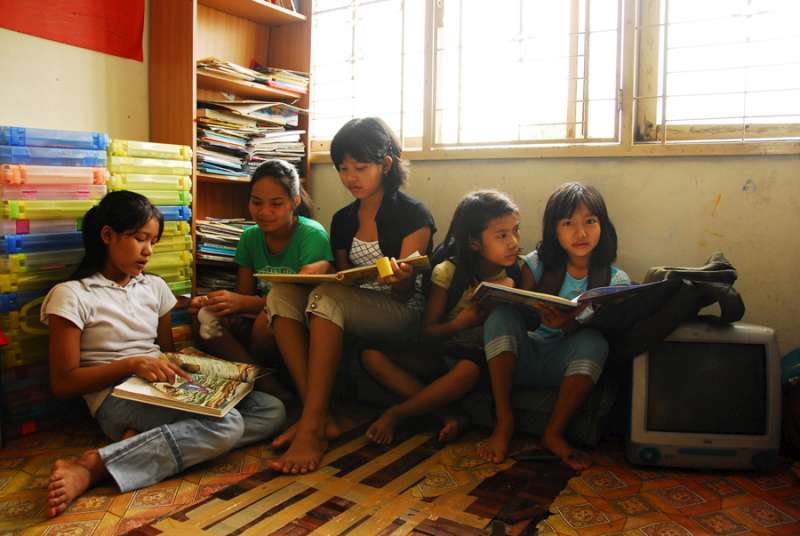
About over 1500 Arakanese refugees in Malaysia have received the registration as the primary protection from UNHCR, said according to the Arakanese refugees' sources.
The source said that UNHCR's Regional Office has provided the registration over 5,000 refugees including Arakanese refugees from Burma during the last week of August (24, 25, and 26).
There are officially recognized 1000 Arakanese refugees have approved by UNHCR before 2009. However, UNHCR did not determine refugee status any more Arakanese and Burmese who are practicing in Buddhist religion. And they were discriminated due to reasons of race, religion and nationality by UNHCR in 2009-2010. This was absolutely violated the UNHCR's principles.
The 1951 Refugee Convention establishing UNHCR spells out that a refugee is someone who "owing to a well-founded fear of being persecuted for reasons of race, religion, nationality, membership of a particular social group or political opinion, is outside the country of his nationality, and is unable to, or owing to such fear, is unwilling to avail himself of the protection of that country."
At this critical time and condition, Arakanese National Leaders Dr. Aye Kyaw ( Patron of ALD-Exile), U Tun Won (ALD-Exile) in 2009 and Dr Aye Chan in 2010, a well known Arakanese scholar went to discuss with the regional officer of UNHCR in Malaysia. During the meeting, they spoke out to UNHCR's officer about their concern that Arakanese Buddhist refugees who were faced to discriminate by UNHCR.
And there was zero tolerance among the Arakanese refugees, AAR made and led the demonstration in front of the Regional Office of UNHCR in Malaysia on Monday, June 7, 2010. There were participating about sixty Arakanese refugees shown to their concern, getting to protection from UNHCR.
U Kyaw Won, an Arakanese refugee, said that UNHCR in Malaysia has accepted to register the all Arakanese refugees without any discrimination and it has continued to process, determine refugee status, and provide documentation for individuals.
Posted at: 05:17 PM | 2 Comments | Add Comment | Permalink
| | del.icio.us

